Billetes ROTOS
Torn Dollar Bills
English translation below.
1. Billetes rotos
En medio de los escombros, un grupo de funcionarios intenta quedarse con una paca de dólares encontrada entre las ruinas. Los familiares de las víctimas los descubren. (llevan días sin dormir, sin apenas comer y buscando a los suyos con las manos, les faltan recursos) Lo lógico habría sido exigir ese dinero, pero no. Les exigen a los funcionarios que rompan los billetes.
Muchos se preguntan: “¿Por qué destruir un dinero que tanto necesitan?” Yo también me lo pregunté, hasta que entendí que en ese momento aquellos billetes habían dejado de ser dinero: representaban la codicia de quienes ponen el dinero por encima del amor a los suyos.
Las tragedias no crean una moral nueva; revelan la que ya existía. Cuando todo se derrumba, también caen las ficciones que alimentan las dinámicas del poder y queda al descubierto lo que realmente importa.
Hemos visto a una clase sin privilegios defender y valorar la vida con todo su cuerpo, con toda su alma. «¡Adriana, coño, no joda!» dejó de ser una frase para convertirse en un grito de guerra, la expresión más cruda de un amor que no se rinde.
No romantizo el sufrimiento, el sufrimiento es sufrimiento, nada más pero a veces revela lo que tiene verdadero valor. Quizá ese día no solo se rompieron unos billetes; ese día se rompió la idea de que en este país el dinero siempre tiene la última palabra.
2. De Nerón a Delcy
Figuras como el emperador Nerón son recordadas por su desconexión frente al sufrimiento colectivo.El historiador Tácito contaba que durante el incendio de Roma “no se tomaron medidas públicas ni privadas para aliviar la calamidad” inmortalizando así el retrato de un gobernante más preocupado por su propia representación que por el desastre.
No puedo evitar hacer la comparación pues desde que ocurrieron los terremotos de La Guaira hemos visto una respuesta marcada por la indolencia por parte de tres de las figuras con mayor poder del régimen: Delcy Rodríguez, Diosdado Cabello y Jorge Rodríguez.
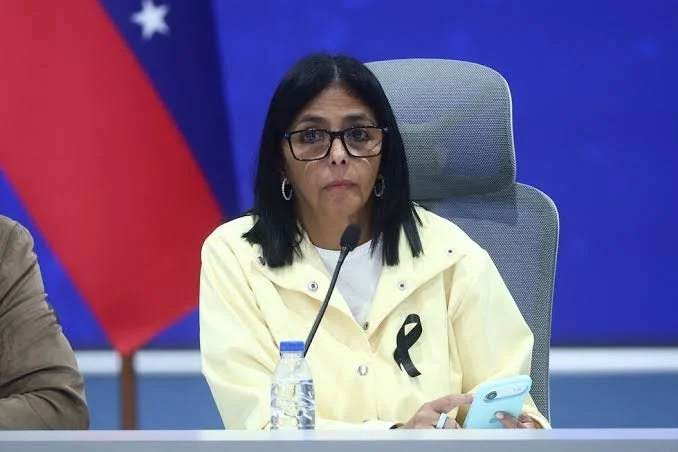
Me llamó la atención su lenguaje corporal durante las visitas a La Guaira. Sus caras sin emoción, casi ausentes, sus voces estaban apagadas y sus movimientos no tenían la energía que derrochaban en otros contextos, como en el infame “Mazo dando” o en cualquiera de esas tarimas de donde solían lanzar burlas y coros como el que hicieron cuando cantaban “Tún Tún” para aterrorizarnos con las detenciones arbitrarias del DGCIM.
Esta semana podrían haber mostrado algo de ese ímpetu pero la imagen fue la de un trío de fantasmas emocionalmente distantes paseándose por actos protocolares, entre soldados impolutos y rescatistas obligados a la diplomacia.
Ese contraste se hizo más evidente en el caso de Delcy Rodríguez . Mientras decenas de familias seguían esperando recuperar a sus seres queridos y decenas personas amputadas eran dadas de alta apenas un día después de la cirugía, ella dedicó parte de su intervención a la prensa internacional para explicar su propio estado de salud: una gripe.
Solo cuando su liderazgo fue cuestionado por los periodistas se le resbaló el tono pisa - pasito y alzó la voz para calificarlos de “miserables” varias veces.
Por que es así, casi todos somos miserables menos ellos, porque ellos son siempre los traicionados pero jamás los traidores.
Por supuesto este espíritu manipulador volvió a aflorar durante la alocución del 5 de julio.
Delcy se nos volvió a alocar y regresó la euforia para hablarnos de intrigas, traiciones y conspiraciones, es decir, de todo aquello que amenaza su permanencia en el poder. Esa intensidad, sin embargo, nunca apareció para describir una de las mayores tragedias que ha vivido el país en los últimas décadas, eso no apela tanto sus emociones.
Claro que yo no pude evitar pensar en Nerón y en cómo el poder revela a los tiranos tanto por aquello que les conmueve como por aquello que deja de conmoverles.
En La Guaira no vimos dirigentes desbordados por el dolor de un país, vimos a emperadorcitos vestidos de marca reservando su verdadera intensidad para defenderse a sí mismos y al poder que ostentan.
Nerón no cayó el día en que murió, empezó a caer cuando dejó de empatizar con el sufrimiento de Roma. Quizá todos los regímenes terminan de la misma manera…no sé ustedes pero yo siento que esta semana, de alguna forma, terminó para los venezolanos una Era.
21 de julio, 2026
1.Torn Dollar Bills
Amid the rubble, a group of police officials try to steal a bundle of U.S. dollars found among the ruins. The victims' relatives catch them. (These families have gone days without sleep, have barely eaten, and have been digging for their loved ones with their bare hands while lacking even the most basic resources.)
The logical thing would have been for them to demand the money. But they didn't. Instead, they demanded that the police tear the dollar bills apart.
Many people ask, "Why destroy money they desperately need?" I asked myself the same question, until I realized that, in that moment, those bills had stopped being money. They had become a symbol of the greed of those who place wealth above love for their fellow human beings.
Tragedies do not create a new morality; they reveal the one that already existed. When everything collapses, the fictions that sustain the dynamics of power collapse as well, exposing what truly matters.
We have seen underprivileged people defend and cherish life with every ounce of their bodies and every fiber of their souls. "¡Adriana, coño, no joda!" ("Adriana, for God's sake, don't mess around!") stopped being just a phrase and became a battle cry, the rawest expression of a love that refuses to surrender.
I do not romanticize suffering. Suffering is simply suffering. But sometimes it reveals what truly has value. Perhaps that day it wasn't only a stack of dollar bills that was torn apart; perhaps that day the idea that money always has the final say in this country was torn apart as well.
2. From Nero to Delcy
Figures such as Emperor Nero are remembered for their detachment from collective suffering. The historian Tacitus wrote that during the Great Fire of Rome, "no public or private measures were taken to relieve the calamity," immortalizing the image of a ruler more concerned with his own image than with the disaster itself.
I cannot help drawing the comparison because, since the earthquakes in La Guaira, we have witnessed a response marked by indifference from three of the regime's most powerful figures: Delcy Rodríguez, Diosdado Cabello, and Jorge Rodríguez.
What struck me most was their body language during their visits to La Guaira. Their faces were expressionless, almost absent; their voices were subdued; their movements lacked the energy they so freely displayed in other settings, such as the infamous television program Mazo Dando or at the rallies where they mocked opponents and led chants like "Tún Tún," used to terrorize us by alluding to arbitrary arrests carried out by the DGCIM.
This week they could have shown even a fraction of that same passion. Instead, the image was that of three emotionally distant ghosts moving through carefully staged ceremonies, surrounded by impeccably dressed soldiers and rescue workers compelled to maintain diplomatic restraint.
That contrast became even more evident in Delcy Rodríguez's case. While dozens of families were still waiting to recover the bodies of their loved ones, and while dozens of amputees were being discharged from hospitals barely a day after surgery, she devoted part of her remarks to the international press to explain her own health condition: she had the flu.
Only when journalists questioned her leadership did her calm, measured tone slip. She raised her voice and repeatedly called them "miserable."
Because that's how it is: almost all of us are the miserable ones, except them. They are always the betrayed, never the betrayers.
Of course, this manipulative spirit resurfaced during the July 5 address. Delcy once again became animated, speaking with renewed enthusiasm about intrigue, betrayal, and conspiracies, that is, about everything that threatens her grip on power. Yet that same intensity was nowhere to be found when describing one of the greatest tragedies the country has experienced in recent decades. That, apparently, does not stir her emotions nearly as much.
Naturally, I could not help thinking of Nero and how power reveals tyrants not only through what moves them, but also through what no longer does.
In La Guaira we did not see leaders overwhelmed by the pain of a nation. We saw little emperors dressed in designer clothes, saving their true passion for defending themselves and the power they wield.
Nero did not begin to fall on the day he died; he began to fall the day he stopped empathizing with Rome's suffering. Perhaps all regimes end the same way. I don't know about you, but I feel that this week, in some way, marked the end of an era for Venezuelans.
July 21st, 2026